
WhatsApp, the world’s most popular messaging app, is implementing a significant change for Indian users starting March 1, 2026. Under new government regulations from the Department of Telecommunications (DoT), SIM binding becomes mandatory for messaging platforms like WhatsApp.
This means your WhatsApp account will only function if the original registered SIM card remains physically present and active in your primary phone.
The WhatsApp new update, driven by India’s Telecom Cyber Security (TCS) Rules, 2024, aims to curb online fraud, prevent number misuse, and enhance overall cybersecurity.
With the compliance deadline of February 28, 2026 now passed, millions of users in India are preparing for how this alters everyday WhatsApp usage, especially multi-device features and WhatsApp Web.
What Exactly Is SIM Binding on WhatsApp?
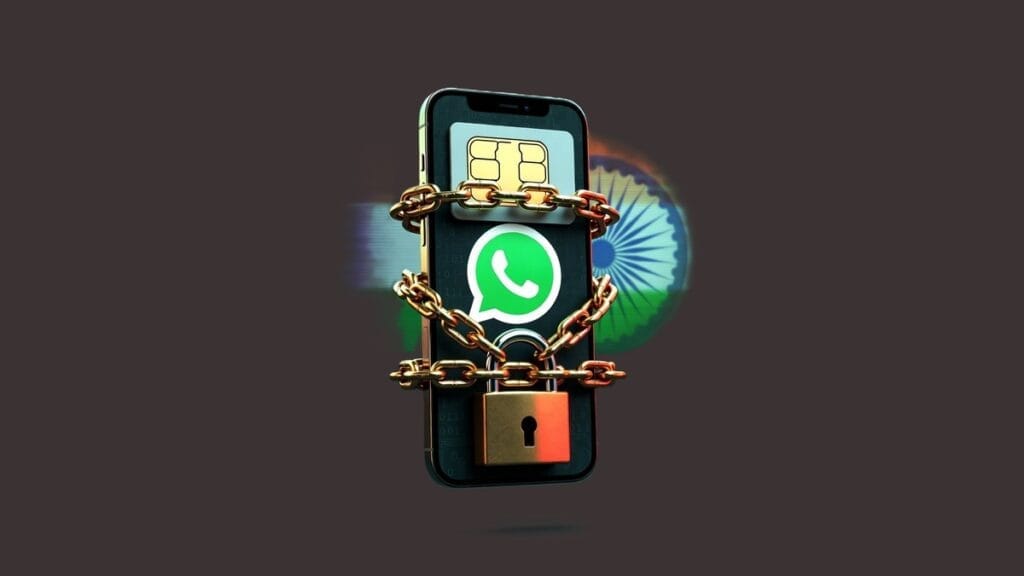
SIM binding links your WhatsApp account directly and continuously to the physical SIM card used during initial registration.
- The app verifies that the registered SIM is inserted and active in the device.
- If the SIM is removed, replaced, becomes inactive, or is not present, WhatsApp may restrict access or log you out.
- This is similar to how many UPI apps already verify SIM presence for added security.
- The rule applies primarily to the primary mobile device where the SIM is installed.
This requirement stems from a DoT directive issued on November 28, 2025, giving platforms 90 days to comply. The government has confirmed no extensions, citing national security and anti-fraud measures.
Broader Implications for Messaging Apps
WhatsApp is already started to test this update, but this isn’t limited to WhatsApp — Telegram, Signal, Snapchat, ShareChat, JioChat, and others must also comply.
The rule represents a major shift in how over-the-top (OTT) communication services operate in India, prioritizing physical SIM verification over pure internet-based access.
Also Read Google Nano Banana 2.0: Revolutionizing AI Image Generation with Speed and Precision
Why Is the Indian Government Enforcing SIM Binding?
The DoT introduced this under updated cybersecurity rules to:
- Reduce online fraud and impersonation using stolen or inactive numbers.
- Strengthen user verification and traceability.
- Align messaging apps more closely with telecom identity standards.
Communications Minister has emphasized that national security concerns drove the decision, with no changes to the March 1 rollout.