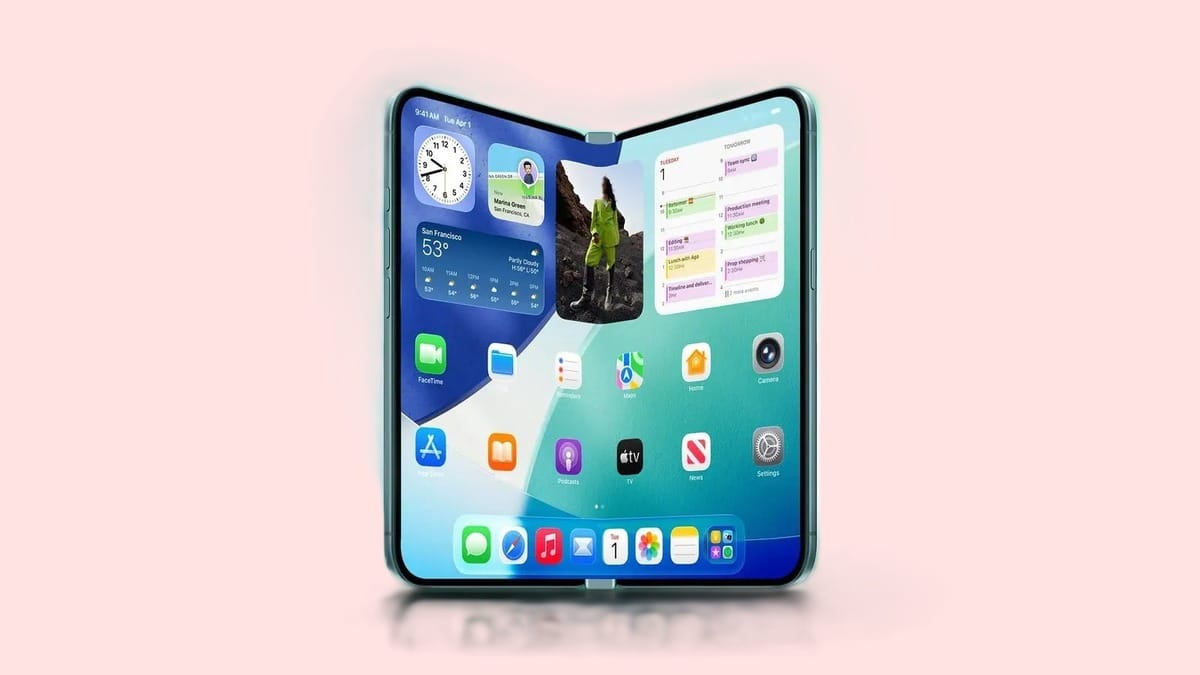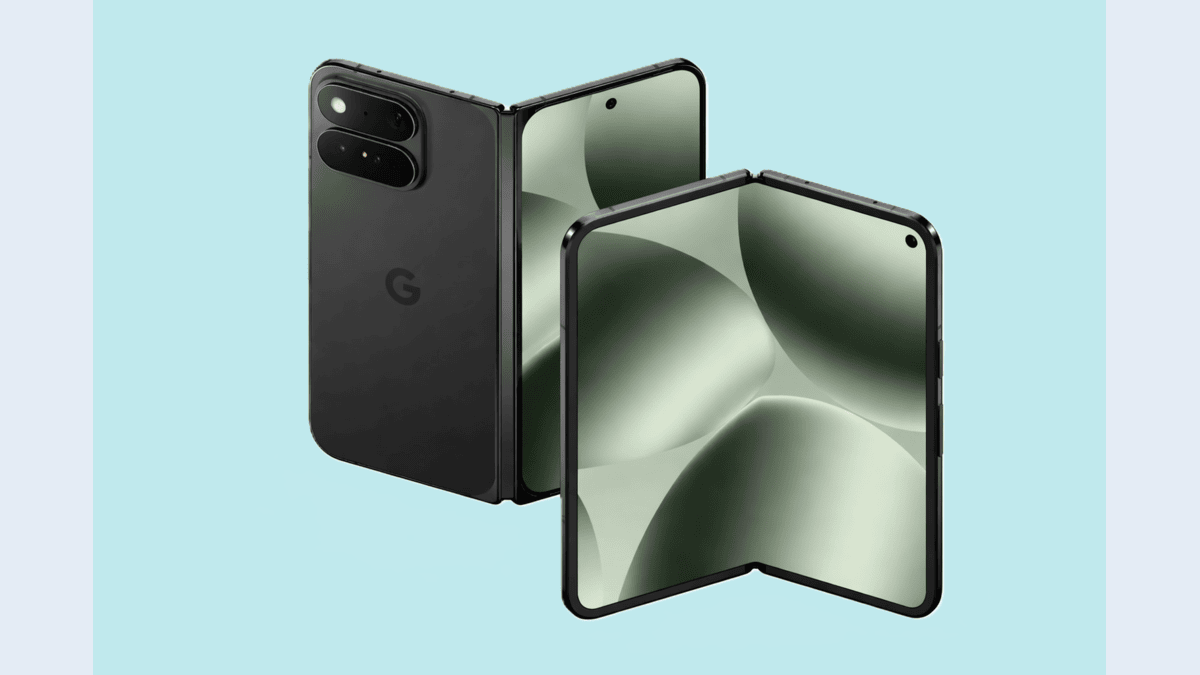
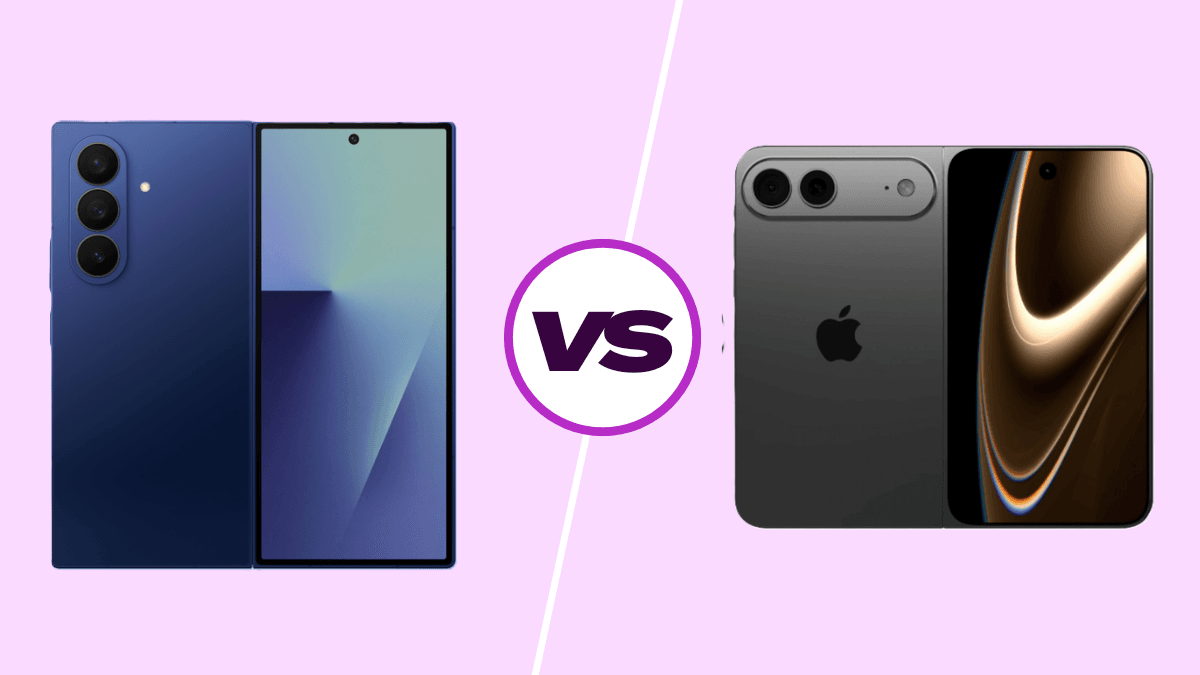
Samsung is still the king of foldables in 2026, but Apple is finally stepping into the arena with its first book-style foldable iPhone. That sets up one of the most fascinating tech battles of the year: the Galaxy Z Fold 8 vs iPhone Fold showdown.
The smartphone landscape has officially reached its tipping point. For years, Samsung enjoyed a comfortable, almost lonely seat on the foldable throne. They pioneered the category, stumbled with the original Fold and spent seven generations refining the “book-style” hybrid. But now, the atmosphere in the tech world has shifted.
The Battle of Thinness
Samsung’s Galaxy Z Fold 8 feels like the payoff after years of incremental tweaks. Leaks point to an ultra-slim 4.5mm unfolded thickness and roughly 9mm when folded — noticeably slimmer than previous models.
It’s wider, thinner, and utilizes a new “Titanium-Lite” frame that makes it feel significantly lighter than the brick-like Z Fold 4 of the past. The hinge is now fully integrated into the chassis, leaving zero gap and offering a snap that feels like closing a luxury car door.
Weight hovers around 215g, which feels surprisingly balanced in hand. Premium materials include Armor Aluminum and Gorilla Glass Victus 2. Durability gets a bump too — expect solid IP48-level resistance and a hinge that’s been torture-tested for hundreds of thousands of folds.
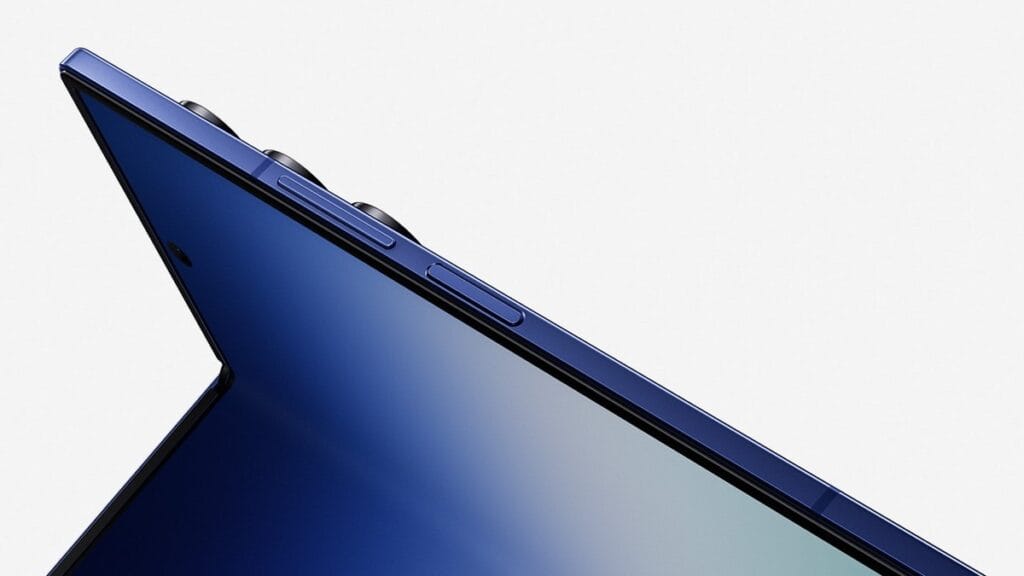
Apple’s iPhone Fold takes a different swing. Rumors describe a titanium-aluminum frame and an eye-popping 4.5mm unfolded thickness. When folded, it’s around 9–9.5mm.
Apple’s engineering team has reportedly focused on a “fluid hinge” mechanism that uses liquid metal alloys to prevent the mechanical “grinding” feel some foldables develop over time.
Apple is reportedly using a dual-layer display structure that keeps the folding layer away from direct stress — a clever engineering move that could make this the most durable first-gen foldable ever.
While Samsung focuses on durability and ruggedness (expecting an IPX8 rating again), Apple is focusing on aesthetics and hand-feel. The iPhone Fold likely sports the signature Apple titanium finish, but with a rounded edge profile that makes the “taco fold” feel more like a slim notebook.
The End of the Crease?
In the Galaxy Z Fold 8 has 8-inch inner Dynamic AMOLED panel and a 6.5-inch cover display. Both support 120Hz LTPO, HDR. Samsung uses its latest M15 OLED material. The crease is still there if you hunt for it under direct sunlight, but for 95% of use cases, it’s invisible.
Samsung has also introduced a “Flexible Glass 2.0” which feels much closer to traditional glass than the plastic-y films of yesteryear. The peak brightness? A staggering 3,000 nits, making it easily viewable on the sunniest beach.
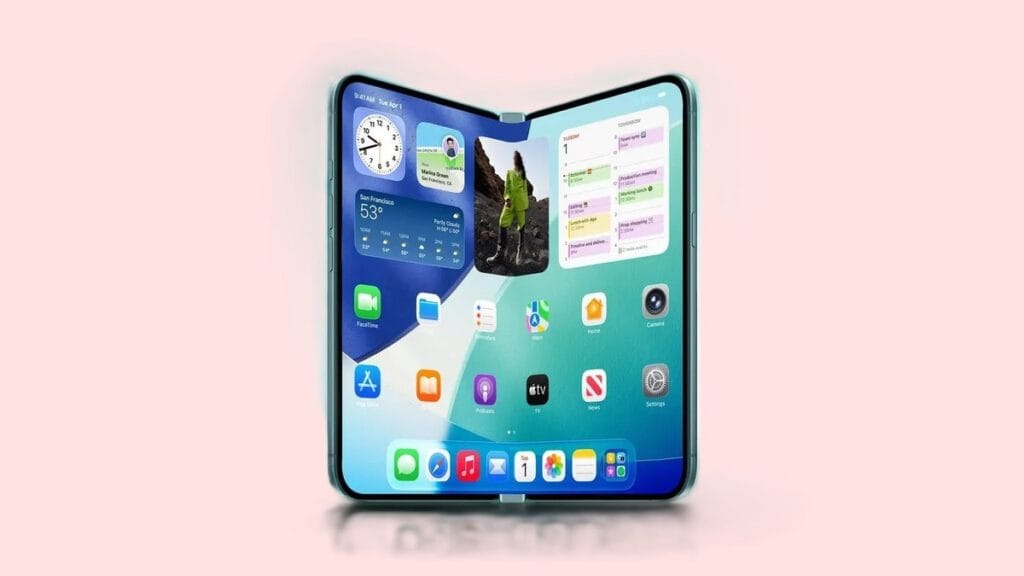
Apple’s approach to the display is the iPhone Fold’s secret weapon. Apple’s iPhone Fold goes for a 7.8-inch inner OLED and a 5.5-inch outer screen. The inner panel uses a 4:3 aspect ratio that feels more iPad-like when open.
Reports suggest Apple is using a “self-healing” polymer layer over a Tandem OLED panel. This technology doesn’t just hide the crease; it uses a chemical structure that “fills” the microscopic gaps when the device is unfolded. If Apple pulls this off, the iPhone Fold will have the first truly flat foldable screen in the industry.
Power vs. Efficiency
The Galaxy Z Fold 8 is powered by the Snapdragon 8 Gen 5 “For Galaxy”, a beast of a chip with custom overclocking and improved vapor chamber cooling. Multitasking is buttery smooth. Gaming performance is top-tier, with sustained high frame rates.
In 2026, this chip is a monster. It’s built on a 2nm process, focusing heavily on NPU (Neural Processing Unit) performance. Why? Because the Z Fold 8 is essentially an AI workstation in your pocket. Real-time video translation, AI-generated multitasking layouts, and intensive gaming are handled without the device even getting warm.
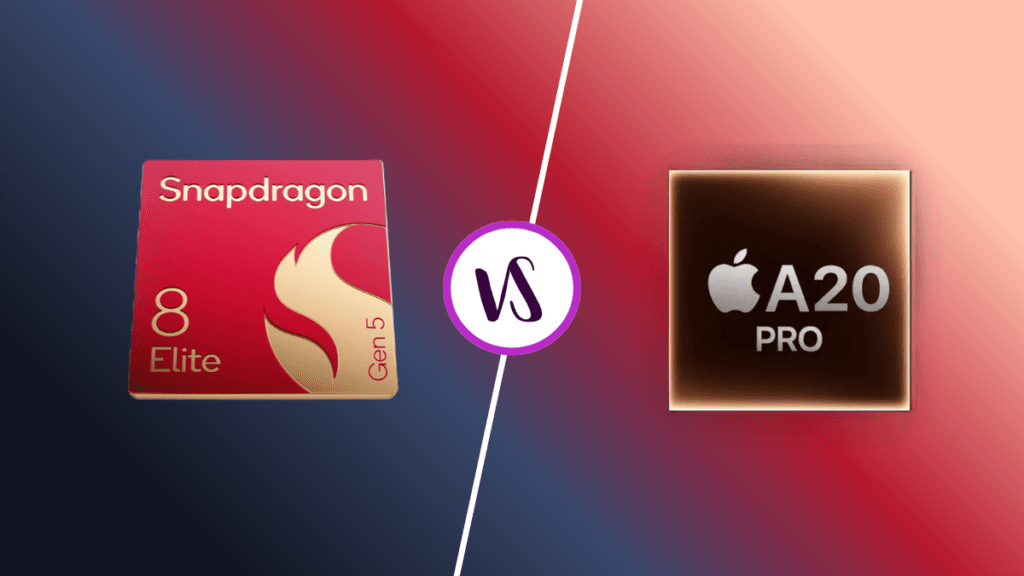
The iPhone Fold runs on the A19 Pro. While Samsung wins on raw “open-source” flexibility, Apple wins on optimization. The A19 Pro is designed specifically to handle the transition between the cover screen and the internal “Unfolded” state without a single frame drop.
For gamers, the Z Fold 8 remains the ultimate choice due to its better thermal management and “Game Booster” software. For the average user, the iPhone Fold will likely feel “snappier” because of how tightly iOS is integrated with the hardware.
Camera Comparison
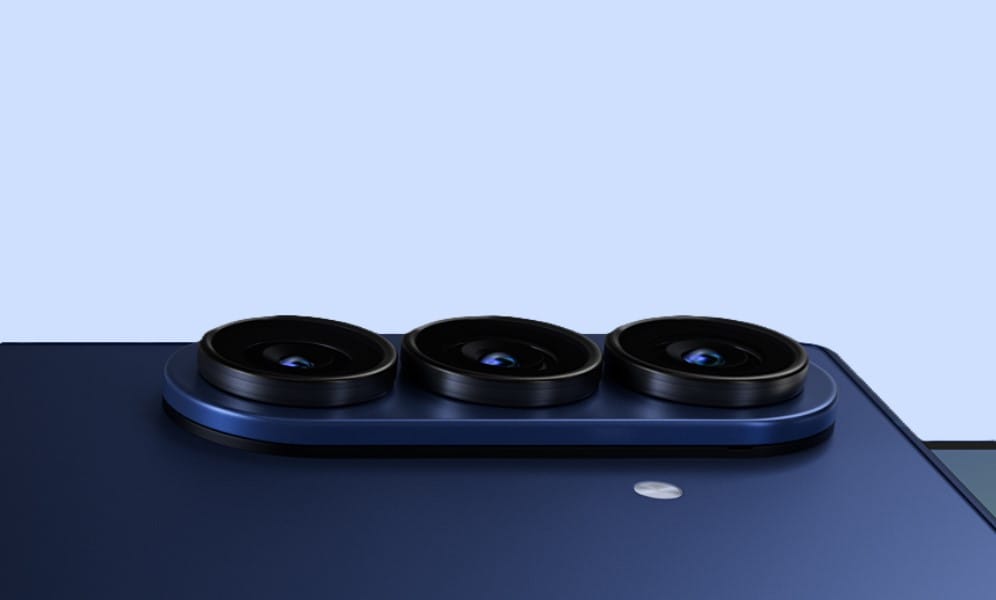
Samsung doubles down on versatility. Samsung has traditionally used the Fold series to showcase its camera prowess, and the Z Fold 8 is no exception. We’re looking at a triple-lens setup that borrows heavily from the S26 Ultra.
Expect a 200MP main sensor, 50MP ultrawide, and 10MP 3x telephoto. This setup shines for zoom, low-light shots, and creative modes. The under-display front camera on the inner screen has improved, and the cover selfie cam is solid. Video is excellent, but not class-leading.
Apple’s iPhone Fold reportedly uses a dual 48MP rear setup (main + ultrawide) with no dedicated telephoto. On paper that sounds limiting, but Apple’s computational photography has a habit of punching above hardware specs.
Apple’s “Photonic Engine” has been tuned for the foldable form factor, allowing you to use the external screen as a viewfinder for high-quality selfies.Video recording — especially in 4K ProRes or cinematic modes — is expected to be in another league. Front cameras (inner and outer) should deliver stunning selfies and video calls.
Apple, however, isn’t playing the megapixels game. The iPhone Fold will likely feature a 48MP Dual-camera array, but the computational photography is where it shines.
Don’t ignore this: Apple still holds the crown for video. If you are a content creator, the iPhone Fold’s “Cinematic Mode 3.0” on a giant foldable screen is a game-changer that Samsung hasn’t quite matched yet.
One UI Fold vs. iOS Fold
Samsung’s One UI 9 on Android 17 is the most mature foldable software yet.Samsung has years of foldable software experience, from Multi-Active Window to fold-specific UI behavior, and that maturity is a huge advantage. Flex mode, improved taskbar, better app optimization, and seven years of OS updates make the Galaxy Z Fold 8 feel future-proof.
Apple’s iOS 27 is getting its biggest foldable-specific overhaul ever. Side-by-side apps, drag-and-drop between windows, and deep ecosystem integration (think Continuity with Mac and iPad) could make the experience feel magical for Apple users. However, iOS foldable support is brand new — expect some growing pains in the first year.
So here is the reality: if you want the most proven foldable software experience in 2026, Samsung wins today. If you want the possibility of a more elegant and tightly integrated Apple experience later, the iPhone Fold becomes tempting. The catch is that “later” may come with launch delays and early-generation compromises.
Battery & Charging
Foldables are notoriously power-hungry. The Galaxy Z Fold 8 houses a 5,000mAh dual-battery system. With the efficiency of the Snapdragon 8 elite Gen 5, you’re looking at a genuine “all-day” phone, even with heavy internal screen use. Samsung has also finally bumped its charging speed to 45W, which is decent, but not groundbreaking.
The iPhone Fold is expected to have a slightly smaller battery to maintain its thin profile. However, Apple’s hardware-software synergy usually means they get more “miles per gallon.” The shocking reality? Apple might stick to 27W charging, which feels archaic in 2026. If you’re a power user who needs a quick top-up mid-day, Samsung takes the win here.
Price & Value
The Galaxy Z Fold 8 is widely expected to stay in premium territory, with recent leaks suggesting a starting price around $1,999, though Samsung has not confirmed anything. That is expensive, but it is at least a known premium with a known product philosophy.
Apple’s foldable may be even pricier. Multiple reports place the expected price in the $2,000 to $2,500 range, which would make it Apple’s most expensive iPhone ever. That premium may be justified by the ecosystem and the “first Apple foldable” buzz, but it also means the iPhone Fold could become a luxury purchase rather than a sensible buy.
Value Pro-Tip: Samsung includes more “pro” features like S-Pen support and Dex, making the $1,999 price tag feel more like a computer replacement. Apple’s price is for the “status” and the ecosystem.
Galaxy Z Fold 8 vs iPhone Fold
| Feature | Galaxy Z Fold 8 | iPhone Fold (Expected) |
| Inner Display | 8.0″ AMOLED, 120Hz, ~2600 nits | 7.8″ OLED, crease-free, high brightness |
| Cover Display | 6.5″ AMOLED, 120Hz | 5.5″ OLED |
| Thickness (unfolded) | ~4.5mm | ~4.5–4.8mm |
| Processor | Snapdragon 8 Elite Gen 5 | A20 Pro (2nm-class) |
| RAM / Storage | 12/16GB, up to 1TB | 12GB, 256/512/1TB |
| Rear Cameras | 200MP main + 50MP UW + 10MP 3x | Dual 48MP (main + UW) |
| Battery | 5,000mAh, 45W wired | 5,000–5,800mAh, ~25–35W |
| Software | One UI 9 (Android 17), 7 years updates | iOS 27, foldable-optimized |
| Starting Price | $1,999 | ~$1,999–$2,399 |
All specs above are based on current rumors and can still change before launch.
Should You Wait or Buy Now?
If you want the safest answer, buy Samsung now. The Galaxy Z Fold 8 looks like a refined evolution of a category Samsung has already mastered, and the company’s long foldable history gives you better odds of getting a mature product with fewer surprises. That matters more than hype.
If you are deep in the Apple ecosystem, the smarter move may be to wait for Apple. The iPhone Fold could be the first foldable that feels fully native to iPhone users, especially if Apple’s software and crease work really are as strong as the leaks suggest. But waiting only makes sense if you are comfortable with uncertainty on price, timing, and first-gen quirks.
For everyone else, the answer is simple: if you need a foldable in 2026, Samsung is the buy-now choice; if you want the most exciting unknown and can wait, Apple is the watch-this-space choice. That is the real battle.
Disclaimer: This article is based on leaks, rumors and expected information. Official details may vary after launch. Some links on this page may be affiliate links. We may earn a small commission at no extra cost to you.