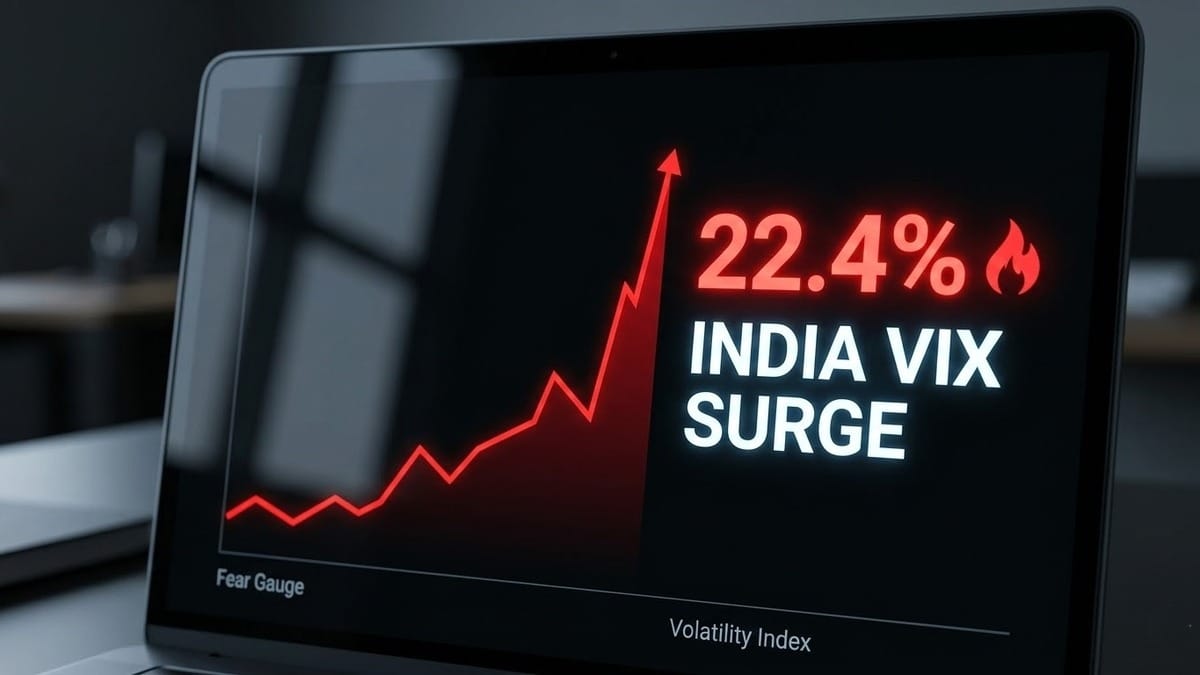
The Indian Rupee (INR) has entered a period of unprecedented volatility, hitting a psychological and historic milestone this week. On Wednesday, March 4, the domestic unit plummeted to an all-time intraday low of 92.35 against the US Dollar, driven by a “perfect storm” of soaring crude oil prices and a mass exodus of foreign capital.
While the Reserve Bank of India (RBI) has stepped in with aggressive measures, the question remains: is the 92-level the new normal, or can the Rupee find its way back to sub-91 territory?
Why the Indian Rupee is Falling
The primary catalyst for this week’s freefall is the escalating conflict in West Asia. With military tensions between the US, Israel, and Iran reaching a tipping point, global investors have shifted into “risk-off” mode.
Oil Prices: As a country that imports over 85% of its crude requirements, India is uniquely vulnerable. Brent crude surged toward the $100 mark before stabilizing near $85, but fears of a blockade in the Strait of Hormuz—where 20% of the world’s oil flows—keep the market on edge.
FII Outflows: Foreign Institutional Investors (FIIs) have pulled over ₹12,500 crore from Indian equities in just the first two trading sessions of March 2026. This massive sell-off creates a surplus of Rupees and a shortage of Dollars, driving the exchange rate down.
Market sources suggest the RBI has not been a silent spectator. On Thursday morning, just before the Indian markets opened, the Non-Deliverable Forward (NDF) market saw a sudden, sharp recovery from 92.16 to 91.58 in a matter of minutes—a classic sign of central bank intervention.
Expert Outlook: Is ₹95 on the Horizon?
Currency analysts are cautious about the near-term recovery. Dilip Parmar, Research Analyst at HDFC Securities, notes that the Rupee recorded its steepest two-session decline since May 2025 this week.
“The spot USD/INR pair faces immediate resistance at 92.60,” Parmar warns. If the conflict extends beyond a few weeks, some brokerages, including Emkay Global, suggest the Rupee could drift toward the 95 level.
Conversely, a 30-day waiver recently granted by the US for Indian refiners to purchase Russian oil may provide some temporary “breathing room” for the currency.
Also Read India’s Tech Industry Set to Cross $300 Billion in 2026: Here’s What It Means for Jobs and Startups
Impact
1. Fuel Prices: A weaker Rupee makes oil imports costlier. Expect a potential hike of ₹4–₹6 in petrol and diesel prices if the Rupee stays above 92.
2. Foreign Education: For students planning for the Fall 2026 semester, the cost of tuition and living expenses in the US has effectively increased by 2.5% in just two months.
3. Imported Electronics: Expect prices for smartphones and laptops to rise as components become more expensive to bring into India.